26 August 2011

Manu adventure: days three and four

It was another early start as we needed to leave the lodge by 5am to board our boat and head down river for about ten minutes to a parrot clay lick called “Collpa” on the river banks. Here, many species of parrots, such as the blue headed parrot and the white-eyed parakeet, feed for mineral and salt supplements to their diet of seeds and fruits.

It was another boat ride in the dark, then a stumble along the river bank using our flashlights, then we sat in a small shelter on the opposite side of the river to the clay lick and waited. And waited. More tourists arrived and we all waited. As the sky gradually lightened, we could hear the parrots flying overhead – hundreds of them. And we waited. Eventually it was light enough to see large flocks of parrots flying back and forth, and settling in the trees growing on top of the river banks. And we waited. Abraham used the telescope to show us various brightly coloured parrots but they were too far away to take photos. And we waited.

Unfortunately the parrots didn’t come down and settle on the clay cliffs that morning, probably because of the presence of a falcon sitting on top of a tall dead tree. At 7.30, we abandoned our wait and headed back to the lodge. There was one compensation – as luck would have it, during our boat ride Abraham spotted a family of red howler monkeys high up in a tall tree on the river bank so we pulled in to the shore, where we used the telescope to get a closer look at mum, dad and junior snoozing and scratching and checking each other out for ticks.

Breakfast tasted particularly good after our long wait, and we needed the energy boost as, an hour after breakfast, we set off on a 3-hour hike into the hills above the lodge. The Sago de Oro Lodge is located in a transition zone between high and low jungle, so encompasses several different habitats, which explains the high diversity of wildlife found around the lodge. Abraham pointed out particular birds, insects, medicinal plants, and trees, and described the various reptiles and mammals that live in the area. He poked a thin stick down a tarantula hole but the beastie wasn’t home. He showed us the small burrows where armadillos slept at night. He pointed out the tracks of a peccary – a type of wild pig – and, after touching the tracks with his hand, told us the creature had walked along the track at 9.15 that morning. He was a funny guy!

Abraham doing his Tarzan act

Where a tarantula lives

It was hot and humid and we sweated copiously. Lunch and long cold drinks never tasted better than when we got back to the lodge. That afternoon was for relaxation – a siesta on the bench overlooking the river, an hour spent trying to get a good photo of a humming bird, but the little critters zap about so quickly that it was almost impossible, some time photographing more birds and butterflies, and another hour or so chewing the fat with Abraham and my fellow travellers.

There's a humming bird in there somewhere

Late afternoon we went fishing. It was the job of us women to catch the little tiddlers that the men then used to try to catch the much larger catfish. I was useless, Martine caught one, but Marja, the vegetarian who had never fished in her life, caught five or six. It was good fun, and so beautiful on the riverbank as the dusk fell. And we do have a great story of the huge catfish that got away – it pulled the line, and the piece of wood it was attached to, right out of the side of the boat.

After another delicious candle-lit dinner and more good conversation, we all retired to bed, as we were to get up early again the following morning for another try at seeing the parrots on the clay lick. This time we were lucky. I still couldn’t get good photos but through the telescope the vibrant colours of the various species of parrots as they perched precariously on the cliffs were awesome.

We breakfasted while we waited for the birds because at 7am we began the long bumpy ride back to Cusco. I was weary and snoozed on and off. We made good time and got back to the city about 4pm. We had one last stop to make – at Abraham’s office to select our free tshirt. I chose one that has the pictures and names of the animals we weren’t lucky enough to see during our trip – the jaguar, the spectacled beer, the giant otters … I certainly wasn’t disappointed though, as we had seen an incredible variety of wildlife, and I’m already planning another jungle adventure.


24 August 2011

Manu jungle: day two

Blue-crowned trogon
Breakfast on day two was at 6.30am – positively late! – but the cold shower had shocked me awake. Our first lodge had electricity but no hot water, whereas our second lodge had hot water but no electricity – this was the jungle after all!

After breakfast we had a short walk to spot more birds and to listen to worms chewing a log of wood – I kid you not! Apparently these worms are a delicacy the locals like to eat. Our van then picked us up for a 30-minute ride towards the port of Atalaya.

On the way we passed a burnt-out house and Abraham explained how it had happened. Two local men had raped two girls, aged 12 and 15, and murdered one of the girls. Six police came from the city, but they were unable (and perhaps unwilling) to prevent the mob justice that followed. The mother of one of the girls poured petrol over one man and set him alight. He died of his burns two days later. The other man somehow managed to escape the same fate and is now in jail. The villagers also torched the offenders’ house to purge the village of their evil.


As we travelled on, we had frequent views of the Madre de Dios river through the trees, but before we reached the river port we stopped at an orchid sanctuary. A local man who is passionate about orchids has collected more than a thousand local species and proudly gave us a tour of his jungle garden. The flowers were magnificent, as was the small troop of saddle-back tamarind monkeys who scampered through the treetops above us.

One of his beautiful specimens
The orchid man


Abraham and I on the riverboat
At Atalaya we boarded our covered outboard motor boat and headed down the Madre de Dios River for approximately 30 minutes towards the Sago de Oro Lodge where we were to spend the next two nights. It was lovely being on the water and we spotted a red deer on the river bank as we puttered past.

While we settled in to our rather primitive but comfortable lodgings, Isidor prepared another delicious lunch. After eating we relaxed around the lodge for a couple of hours, exploring the grounds, delighting in the humming birds sipping nectar from the many flowering bushes, enjoying the view from the seat above the river bank, listening to the leaves fall.

A thunderstorm rumbled overhead but the rain that fell was refreshing and didn’t prevent us from heading out mid-afternoon to explore. Wearing rain jackets and ‘plastic’ boots, we boarded our boat and headed down river for about ten minutes, then walked for another 30 minutes or so along a jungle trail. Once again, Abraham spotted birds for us to view, sometimes close by, sometimes far off through the powerful telescope he always carried. He also told us about the special plants we passed, explaining their medicinal properties or use as food for the local Indian people.

Machu Wasi Lake

Hoatzin

Eventually we arrived at Machu Wasi Lake, where we climbed aboard a small wooden raft and, with Abraham acting as our gondolier, we sailed slowly and silently around the lake. Once again we were treated to sightings of many birds.

My favourite was the particularly weird Hoatzin, many of which were roosting on trees around the lake. These are primitive creatures: they ruminate like cows, make evil hissing noises when approached, emit bad smells to scare away their enemies, and have prehistoric-looking claws on their wings to help them scramble among the branches. We also saw a capybara, a large semi-aquatic rodent, though only at a distance.

We climbed to a platform high above the lake as dusk fell, searching for the elusive mountain toucan. Abraham had identified one calling and tried to lure it closer by playing a recording of its call, but it wasn’t playing ball. But then as we headed back towards the river, we were treated to a brief sighting in the tree tops nearby. We were also lucky enough to spot a small group of dusky titi monkeys before it got so dark that we had to turn on our flashlights.

Social flycatcher


And as we neared the river, we stopped at a small lagoon where we spotted the gleaming eye of a small caiman almost hidden amongst the reeds. When we turned off our flashlights so as not to scare it away, we found we were surrounded by fireflies twinkling amongst the trees. It was magical!

The trip back up river in the dark was exciting as we had to navigate several sets of rapids. Obviously our boatman had done this several times before as we arrived safely back at the lodge to enjoy a splendid candle-lit dinner, good conversation and lots of laughs. By 8.30 we were all exhausted and headed off to bed. It had been another incredible day!

23 August 2011

Manu jungle: day one

At my briefing the tour guide, Abraham (Huaman of Amazon Trails Peru -- highly recommended!), reassuringly said he carries anti-venom, but then less reassuringly asked whether I had travel insurance in case I need to be helicoptered out! He also warned me to be sure to shake my clothes and shoes before I put them on in case of scorpions! And I had to buy a flashlight as we would be going out at night looking for caiman. So, there was a chance I was going to be bitten, stung and eaten!

We left Cusco early on Sunday morning – and I do mean early: my pickup was at 5am! – and headed southeast past Oropesa, where I work, then turned inland to start climbing up and over the huge hills that are everywhere in the Andean foothills. The road was steep and narrow, with a sheer drop of several hundred metres at one side, but for this first part of the journey it was at least tarmaced. Later the roads would turn to gravel, dirt and mud, with frequent huge potholes. These were what the Cambodians call ‘dancing roads’; I think Peruvians just think they’re normal.

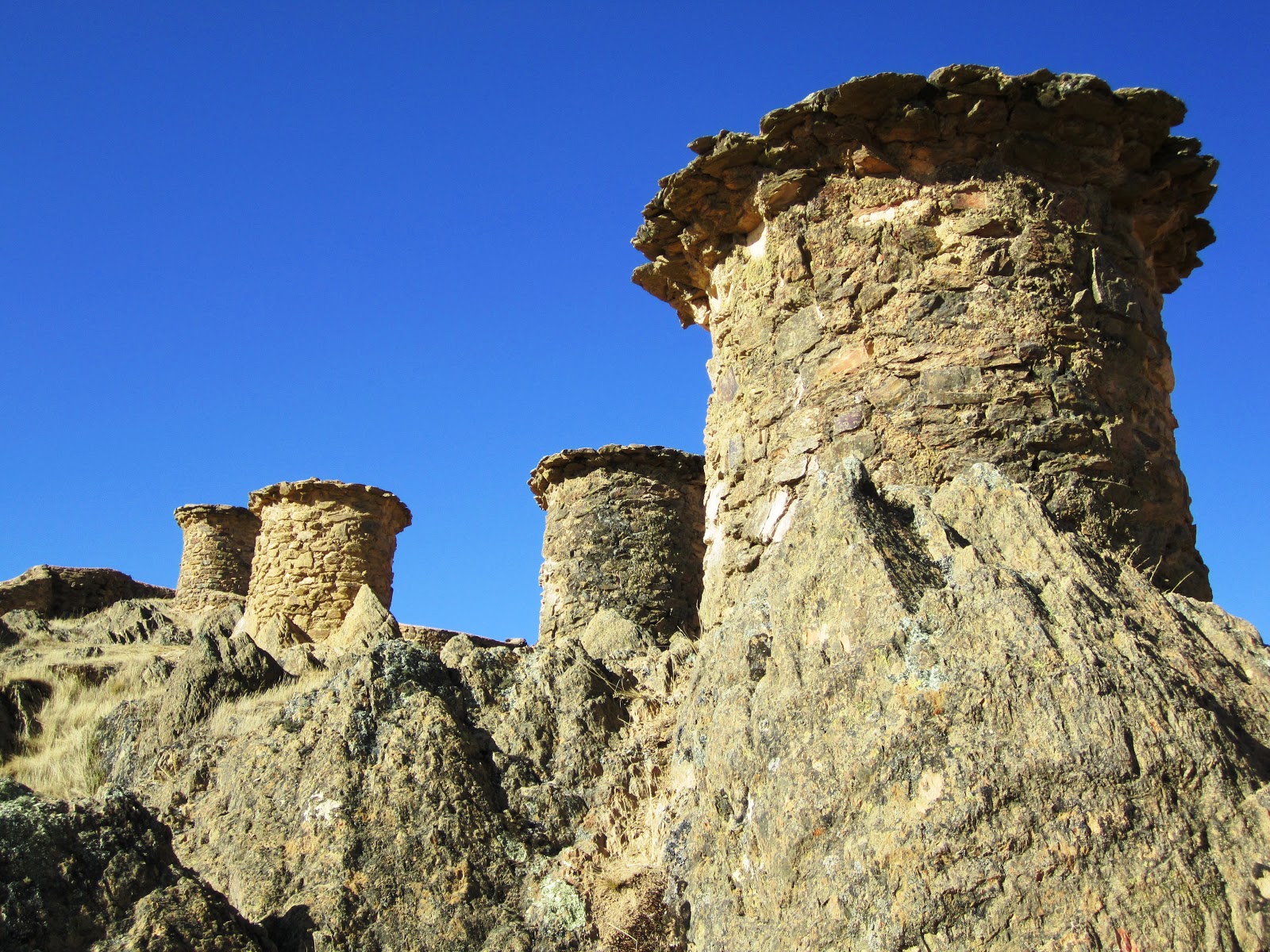
Breakfast was a cold omelette, sweet bread and tea at 6.30 in a sleepy little town that was just waking up for its busy weekly market. A couple of hours later we visited the interesting pre-Inca tombs of Ninamarca, commonly known as Chullpas. These were the tombs of the aristocrats of the Lupaca people, who lived about a thousand years ago, mummified their dead and then entombed them in a seated foetal position. From there we continued on to Paucartambo, a picturesque Spanish colonial town, where we stretched our legs with a short walk around the village square and into the ornately decorated church. 

More winding roads followed as we wound our way up to the Acjanacu pass, which marks the beginning of the Cultural Zone of Manu Biosphere Reserve. Manu National Park, located in southeastern Peru, is one of the largest parks in South America. Manu protects over 4.5 million acres (2 million hectares) of territory rich in flora and fauna species in a variety of habitats, including the high Andes, cloud forests, and lowland tropical rain forests. In 1977 UNESCO designated Manu a biosphere reserve because it contains the world’s best example of biodiversity in protected areas of rain forest and cloud forest.

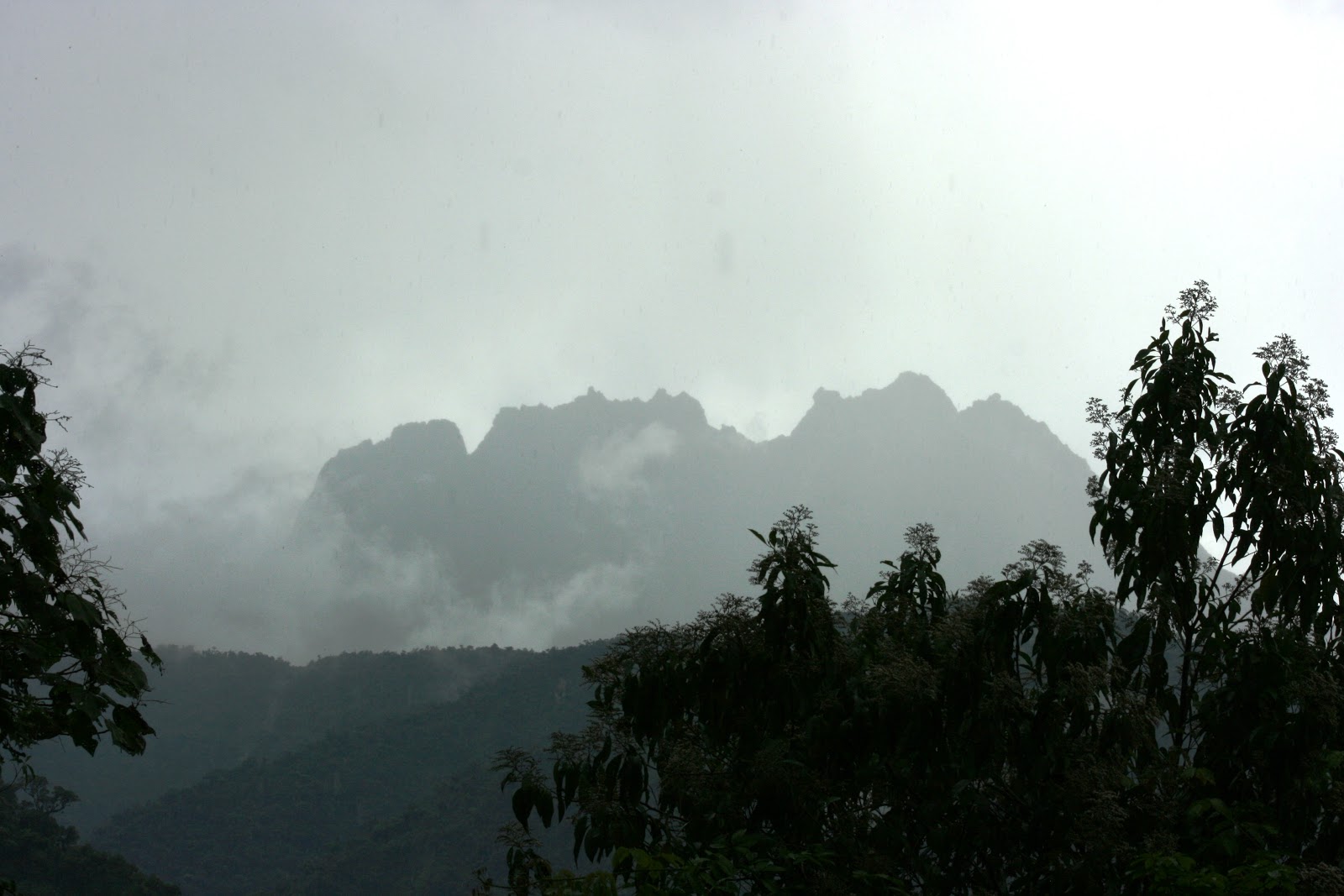
Misty mountains above the cloud forest
As Manu has remained intact and untouched by civilization, it is possible to observe a variety of animals in their natural habitats, including giant otters, black caiman, the majestic jaguar, the strange spectacled bear, the tapir, the ocelot, 13 species of primates, and an estimated one thousand species of birds including seven species of Macaws. Manu also contains 10% of the world’s vascular plant species, including several species of figs and palms, as well as countless species of medicinal plants which scientists are currently cataloguing.

Every hour or so we would leave the van and walk for a kilometer or so, looking for birds, animals, etc. It was fun, and a great relief from the bumpy travelling, and we saw many interesting creatures – luckily the one snake we encountered – a coral snake – was dead! We enjoyed a delicious picnic lunch by the roadside, thanks to our wonderful cook Isidor.

In Manu a thick cloak of clouds provides perpetual humidity and makes an ideal habitat for epiphytic plants such as bromeliads. This varied and fascinating world is also home to the Cock of the Rock, Peru’s national bird, which we stopped to observe mid afternoon. The male birds are a vibrant reddish orange and come together for an exhibition of a ritual mating dance. They display their crest, showing off and posturing for the females. The females, fewer in number, watch to select the most suitable males.

We continued down the narrow road for another two hours or so, between waterfalls and canyons toward the town of Pilcopata. A highlight was a troop of brown capuchin monkeys Abraham spotted by the roadside, which came over to eat the bananas and apples we threw them – very entertaining and photogenic! Abraham proved to be an expert bird and animal spotter, partly due to his 20-year’s experience and living up to his surname of Huaman, which means hawk! We also saw a woolly monkey asleep in a tall tree on the other side of the river.


We finally arrived at the Bambu Lodge, our accommodation for the night, just as the sun was setting. After another delicious meal, we ventured out with our flashlights on a night walk. There were lots of creepy crawlies: huge spiders, grasshoppers and crickets, cockroaches, and a big fat toad – the stuff of nightmares though, in fact, I slept very well in my cute little hut.